One of the great questions of philosophy is, can a miracle truly occur? For some, it depends on how the term is defined. If a miracle is merely an unlikely occurrence, then the answer is easy. Yes. We all witness rare occurrences from time to time. From a sports team coming from far behind to win a championship no one thought them capable of, to accidents where someone narrowly escapes death. We often call these “miracles”, when perhaps they are more closely identified with chance occurrences with low probability.

More often we associate a true miracle when the laws of nature are broken. For instance, Jesus turning water into wine, walking on water, curing the sick, and his own resurrection from the dead. The Buddha was said to have the power of teleportation, the ability to duplicate himself, and manipulate the elements. The Prophet Muhammad was purported to manifest water, heal the sick and also had power over the elements. Today we also hear of modern day miracles which defy nature, such as shrines where people go to be healed or people claiming to see visions of God, saints or other types of entities.
So the question remains, do miracles really exist or are they just human projections on certain events? While we do have many reports of miracles, there are no proofs of miracles occurring to date. I think that’s a powerful statement in itself. There is no proof that has ever been recorded of a real, bonafide miracle.
Many theologians and theist philosophers, including Immanuel Kant, thought miracles didn’t matter. In fact, Kant though that miracles were actually a distraction from having faith. For Kant, miracles were the exception to the rule so it was better to not count on them in your life. Looking to the message of one’s faith was preferable to signs and wonders.
Philosophers such as J. L. Mackie and Michael Martin argue that interference with the natural order from God would prove that God wasn’t perfect. Why would God need to create miracles in the world if everything is going according to plan? Why would God play favorite and help some people and not others? Why would God let some people starve to death or be horribly injured, but save others from that fate through a miracle? Martin also suggests that somethings that appear as miracles to us, may not be God but anomalies that occur in nature that we simply cannot explain yet.
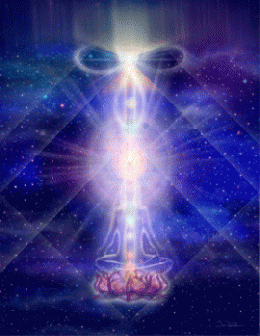
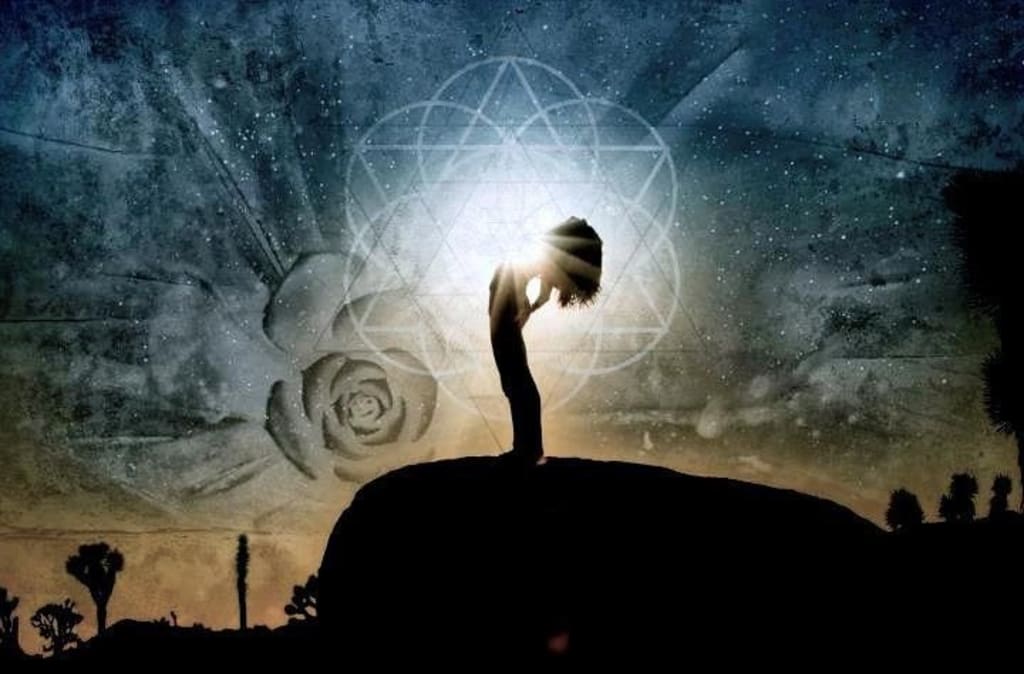
I buy this. I think when we witness synchronicity, this has something to do with consciousness and quantum entanglement. It’s part of the natural order. I do not think a miracle has occurred. In fact, when I think of how magic, astrology and tarot work, I don’t think any of that is miraculous, but more of just how the world operates. I think our individual consciousness is connected to our higher-self or a higher state of consciousness, which may be thought of as our spirit. It’s the entity which keeps sending our soul on mission in the material world. Beyond that, I believe there is a collective consciousness that is societal which we all tap into on a planetary level, and a Source Consciousness which is singular, which all things in the universe share in as well. We share an archetypal bond and this is how things like astrology and tarot work and evolve over time. When we align with our higher-self and Universal Consciousness, we begin to notice synchronicities occurring in our lives. These may appear miraculous, but it’s merely part of the natural order unfolding.
Do miracles occur where the laws of nature are broken? I don’t think so, no. I think when they occur in sacred texts they are meant as metaphors to explain deeper truths. Does the death and resurrection of Jesus mean more if Christ was killed on our behalf as a sacrifice? Or does it mean more that Jesus was the perfect example to show us how to transform ourselves? The Christ story is the path we take to die to our old selves and be reborn as Divine spirits. It’s not about a physical miracle, but rather our spiritual reality if we choose that path.



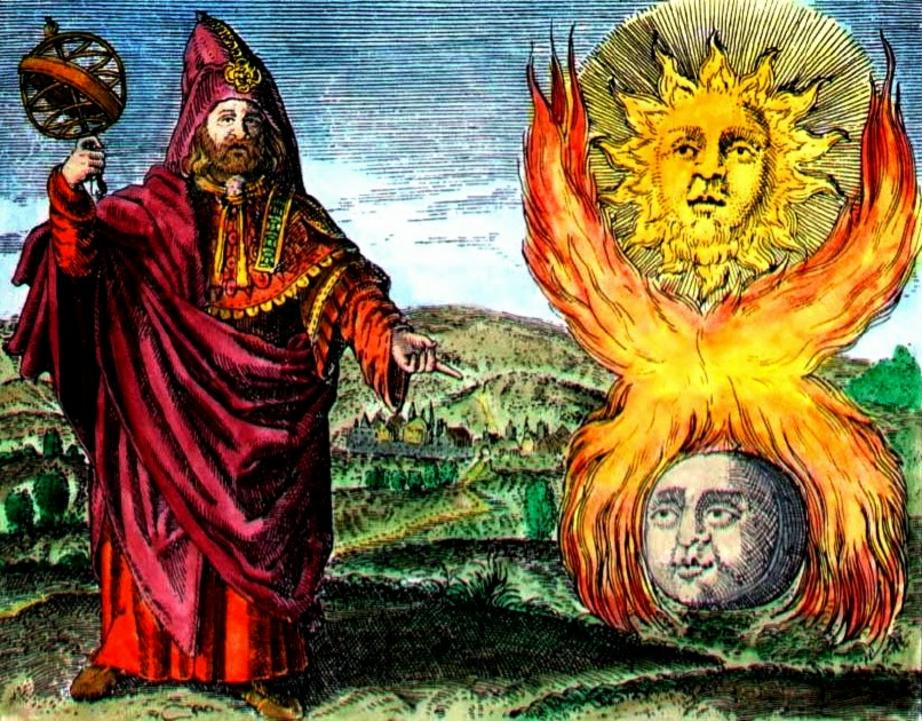





 Whenever someone asks what the most important lesson of Hermeticism is, the answer is universal: know thyself. There are, of course, many other lessons to be gleaned from Hermetic philosophy, but most of them boil down to this one thing. Knowledge of self is the knowledge of the universe. More than that, it is knowledge of the Divine.
  attention. I had to unlearn all that I have learned before and look at everything with a fresh pair of eyes and an open mind. It is exhausting, heartbreaking, confusing, illuminating, freeing, gut-wrenching, and ultimately the best thing I’ve ever done. But I acknowledge that it is an on-going process and there are tougher things ahead.
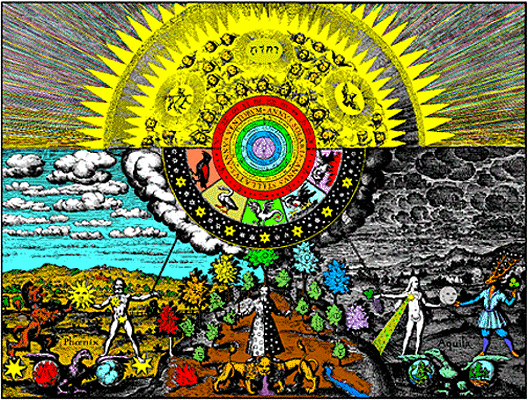
 How does this relate to the Principle of Correspondence? Well, when all the clutter is cleared and one learns how to think and how to process information into personal knowledge about themselves and the world, one begins to know God. We can learn to know God because we were created with minds in God’s own likeness. As Above, so Below. Within our own minds the universe exists. As God created the universe and all that is in it, so too can we create a universe in our own minds. The ability is there if we break out of all the illusions that society imposes on us, but more importantly, the illusions we impose on ourselves that keeps us from breaking through and recognizing the Divine presence that exists inside of each of us. We are not God, but we are Godly and made of Divine Godstuff. We have access to this power if we want it. But we must work for it. To say that it is difficult is to understate the case, especially in the modern world where we tend to either reject the very idea of Divinity or we think that every opinion we hold is of value and worth without the process of discernment.

 Awakening the Witch